
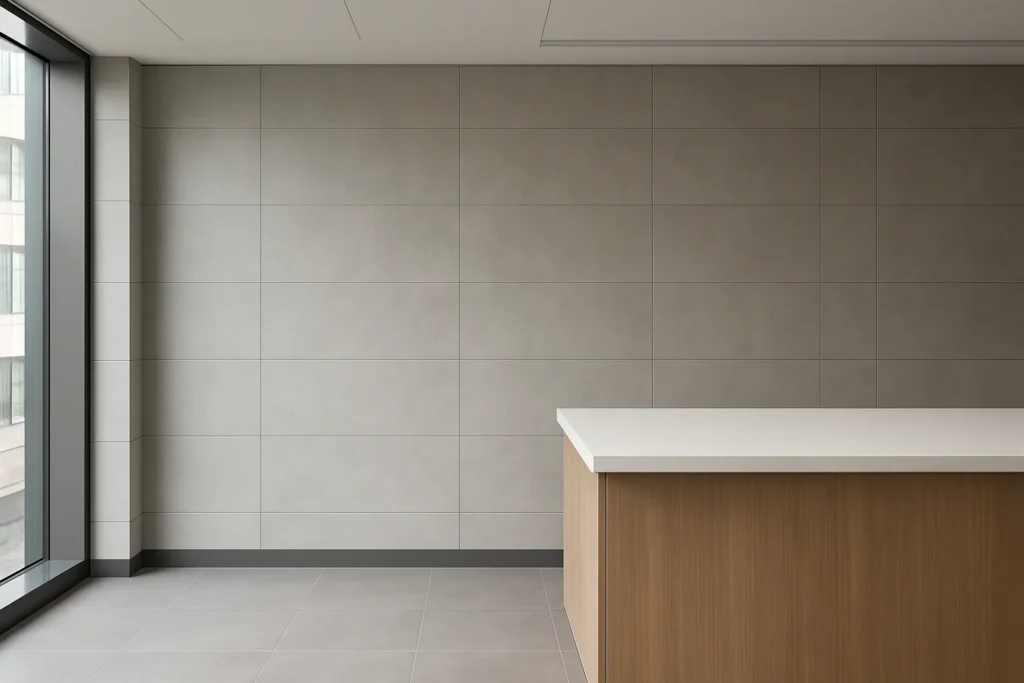
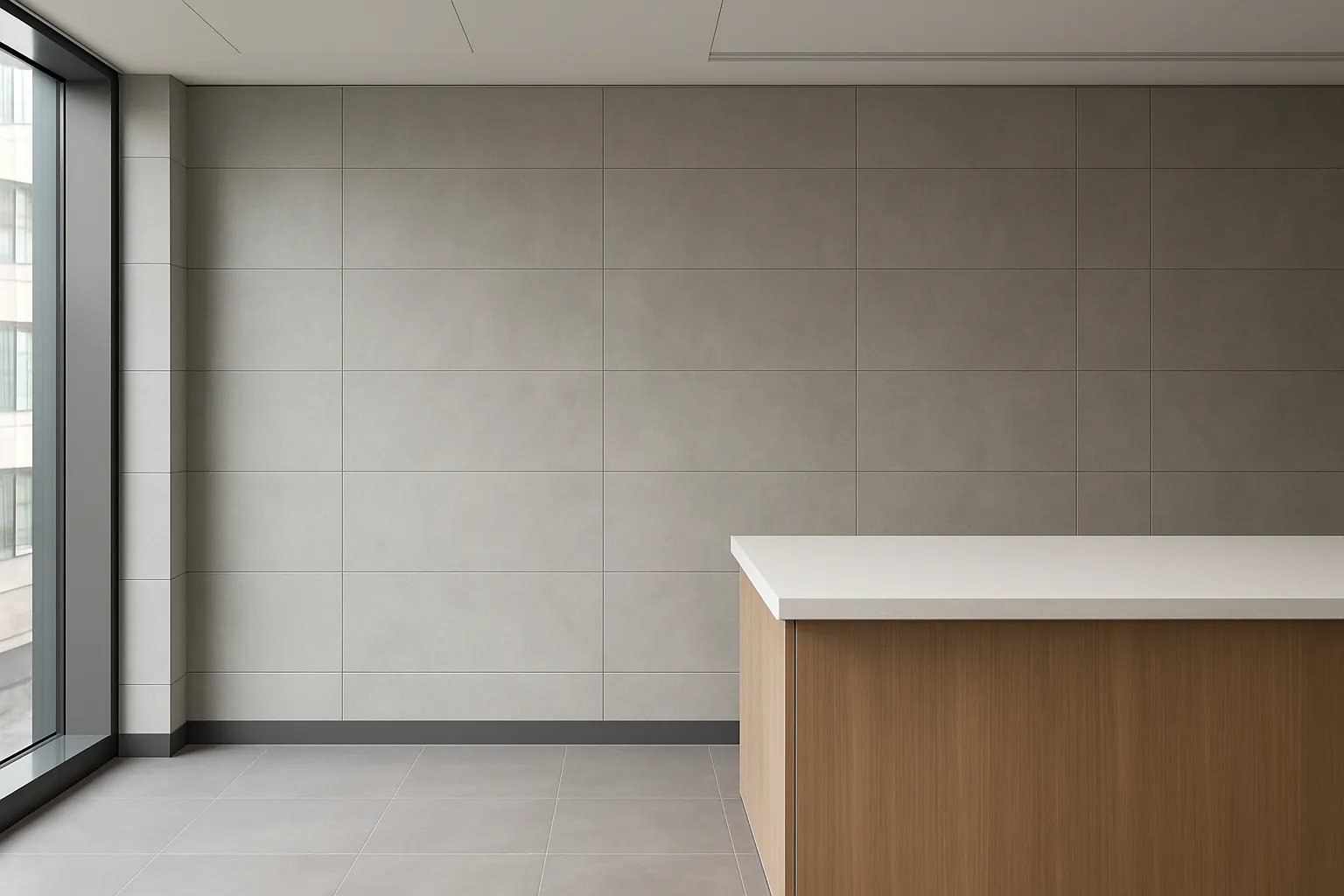
Understanding Waterproof Wall Panels for Commercial Spaces: A Comprehensive Guide
Waterproof wall panels have emerged as a revolutionary choice in interior decoration, specifically crafted to endure moisture and humidity. This makes them an excellent fit for various commercial environments. These panels not only provide a strong defense against water exposure but also maintain the aesthetic appeal of walls over time. In my experience, when businesses prioritize both aesthetics and functionality, waterproof wall panels serve as a dual asset; they protect structures while enhancing overall design.
The significance of waterproof wall panels in commercial settings cannot be overstated. Whether it’s in healthcare facilities or food service establishments, the ability to uphold cleanliness and prevent moisture damage is vital. As companies strive to create safe, hygienic, and visually attractive environments, the demand for these panels has surged, establishing them as a crucial consideration for any renovation or construction project.
Key Specifications of Waterproof Wall Panels
Material Composition
Waterproof wall panels are commonly constructed from various materials, such as PVC, fiberglass, and high-density polyethylene. These materials are selected for their resistance to water, mold, and mildew, ensuring longevity and durability in moisture-heavy environments. The choice of material can significantly influence both performance and appearance, making it essential for businesses to grasp the available options. For a deeper dive into the various types of wall panels, check out our product offerings.
Thickness and Durability
Thickness can vary among waterproof wall panels, with options ranging from 4mm to over 12mm. Generally, thicker panels provide enhanced durability, making them suitable for high-traffic areas or environments where impact resistance is a must. The durability of these panels is a key specification, as it directly correlates with their lifespan and the protection they offer against wear and tear.
Fire Resistance and Safety Ratings
Aside from being waterproof, many wall panels come equipped with fire resistance ratings, which are crucial for compliance with safety regulations in commercial buildings. These ratings indicate how well the panels can endure fire exposure, offering peace of mind to business owners and ensuring occupant safety. When selecting waterproof wall panels, it’s vital to factor in these safety ratings as part of an overall risk management strategy.
Practical Use Cases for Waterproof Wall Panels
Healthcare Facilities
In healthcare environments, maintaining a sterile atmosphere is paramount. Waterproof wall panels are ideally suited for hospitals and clinics because they can be easily cleaned and sanitized. Their moisture resistance helps to prevent the growth of bacteria and mold, contributing to a safer space for both patients and staff.
Food and Beverage Industry
The food and beverage sector faces unique challenges regarding hygiene and cleanliness. Waterproof wall panels are perfect for kitchens, food processing areas, and dining establishments, as they can withstand frequent washing and exposure to spills. Their non-porous surfaces prevent contamination, making them an essential element of any food service setup. For further insights on the significance of waterproof materials, refer to this industry reference.
Hospitality and Restroom Applications
In the hospitality industry, first impressions are crucial. Waterproof wall panels can elevate the aesthetic appeal of hotels and restaurants while providing necessary moisture protection in restrooms and shower areas. Their design versatility enables businesses to create inviting spaces that are both functional and visually appealing.
Comparing Waterproof Wall Panels to Traditional Materials
Cost-Effectiveness
When assessing interior decoration materials, cost is a significant consideration. Waterproof wall panels often prove to be more cost-effective in the long run compared to traditional materials like paint or drywall. Their durability means businesses face less frequent repairs and replacements, leading to long-term savings.
Maintenance Requirements
Traditional materials often necessitate regular upkeep, including repainting and repairs due to water damage. In contrast, waterproof wall panels are designed for easy cleaning and maintenance, which reduces labor costs and downtime associated with upkeep. This ease of maintenance is a compelling advantage for busy commercial settings.
Aesthetic Flexibility
Waterproof wall panels come in a range of designs, colors, and textures, providing businesses with the aesthetic flexibility to align with their branding and design vision. Unlike traditional materials, which may require additional treatments to achieve a desired look, these panels can be installed as-is, delivering immediate visual impact.
Sourcing Waterproof Wall Panels
Identifying Reliable Suppliers
When sourcing waterproof wall panels, identifying trustworthy suppliers is essential. Businesses should conduct thorough research, seeking suppliers with a solid reputation in the industry. Customer reviews and case studies can provide valuable insights into the reliability and performance of potential suppliers.
Evaluating Product Quality
Quality should be a top priority when selecting waterproof wall panels. Businesses should request samples to evaluate the material’s texture, thickness, and overall construction. Additionally, checking for certifications and compliance with industry standards can help ensure that the panels meet necessary safety and performance criteria.
Understanding Pricing Structures
Pricing for waterproof wall panels can vary significantly based on material, thickness, and supplier. Businesses should strive to understand the pricing structures and compare quotes from multiple suppliers to make informed purchasing decisions. It’s also wise to consider the total cost of ownership, which includes installation and maintenance, rather than focusing solely on the initial purchase price.
Implementation Considerations
Installation Process
The installation process for waterproof wall panels can differ based on the type of panel and the specific environment. Generally, proper surface preparation—such as cleaning and leveling—is critical to ensure a successful installation. Businesses may opt to hire professional installers or train in-house staff to manage the process.
Required Tools and Equipment
Installing waterproof wall panels requires specific tools and equipment, including saws, adhesive, and safety gear. It’s essential for businesses to ensure they have access to the necessary tools before beginning the installation process to avoid delays and ensure a smooth workflow.
Best Practices for Long-Term Performance
To maximize the longevity and performance of waterproof wall panels, businesses should adhere to best practices during installation and maintenance. This includes regular inspections for any signs of damage, proper cleaning techniques, and addressing any issues promptly to prevent further complications.
Frequently Asked Questions
What are the Benefits of Waterproof Wall Panels?
The advantages of waterproof wall panels encompass enhanced durability, ease of maintenance, resistance to mold and mildew, and aesthetic flexibility. They are ideal for various commercial applications, providing a long-lasting solution to moisture-related challenges.
How Do I Choose the Right Panel for My Business?
Selecting the right waterproof wall panel involves evaluating your specific needs, such as the environment, aesthetic preferences, and budget. Consider factors like material composition, thickness, and safety ratings to find a panel that meets your requirements.
Can Waterproof Wall Panels Be Reused or Recycled?
Many waterproof wall panels can be reused or recycled, depending on the material and condition. Businesses should consult with manufacturers or suppliers regarding the recyclability of their specific panels to promote sustainability and reduce waste.
Conclusion
Waterproof wall panels signify a remarkable advancement in interior decoration materials for commercial use. Their unique properties make them an ideal choice for various applications, including healthcare, food service, and hospitality. By understanding the advantages, specifications, and best practices associated with these panels, businesses can make informed decisions that enhance their environments and protect their investments. As the demand for durable and aesthetically pleasing solutions continues to rise, waterproof wall panels are set to become a staple in commercial design.