
Custom Decorative Trim: Elevating Aesthetics in B2B Projects
1. Introduction to Custom Decorative Trim
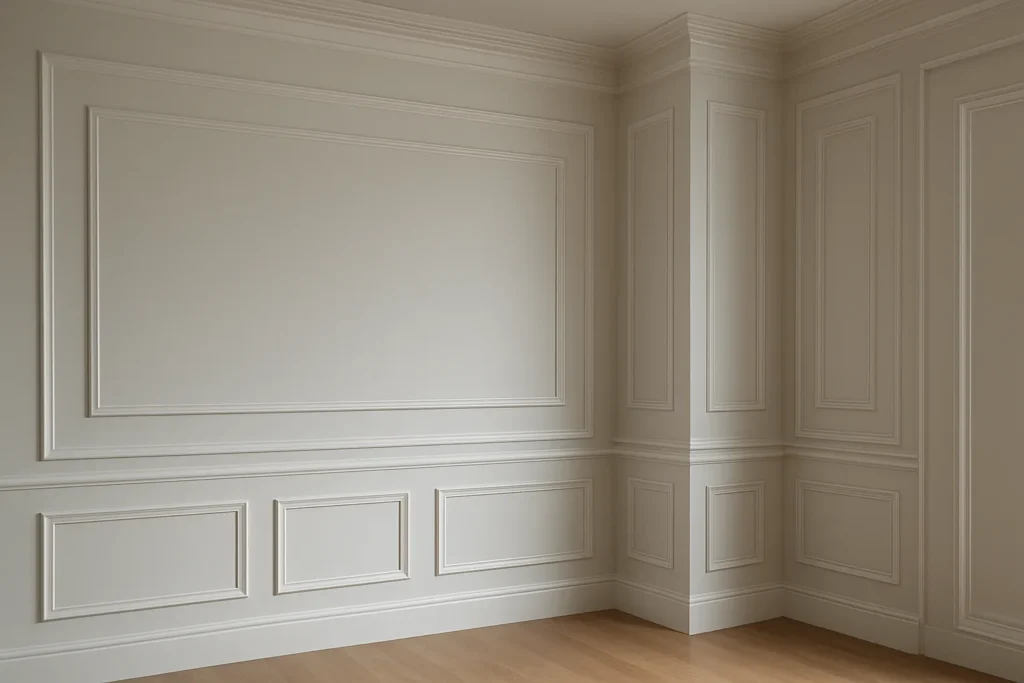
Custom decorative trim encompasses specially designed architectural elements that enhance the aesthetic appeal of interior spaces. This includes moldings, casings, and various ornamental features that contribute character and sophistication to numerous environments. In B2B interior projects, the significance of custom decorative trim cannot be emphasized enough. It serves not only as a visual enhancement but also functions as a critical component that can define spaces, direct foot traffic, and weave a cohesive design narrative. As businesses strive to create memorable experiences for clients and customers, integrating custom trim becomes a strategic choice that reflects their brand identity and commitment to quality.
2. Specifications of Custom Decorative Trim
When considering custom decorative trim, several specifications must be addressed to ensure the final product aligns with desired aesthetic and functional requirements.
- Material Options: Custom decorative trim can be crafted from various materials, including wood, PVC, MDF, and even metal. Each material presents unique properties; for instance, wood offers a classic, warm aesthetic, while PVC is more durable and resistant to moisture, making it ideal for high-traffic areas.
- Design Variations: The design of custom decorative trim can range from simple, clean lines to intricate, ornate patterns. Designers can select from a plethora of styles, including traditional, contemporary, and transitional, allowing for seamless integration into any design scheme.
- Size and Dimensions: Custom trim can be tailored to specific dimensions to fit the unique characteristics of a space. This flexibility allows businesses to optimize their interior decoration materials for both functionality and visual impact, ensuring that the trim complements other design elements without overwhelming them.
3. Use Cases for Custom Decorative Trim
Custom decorative trim finds applications across various sectors, each with its unique requirements and design preferences.
- Commercial Spaces: In retail environments, custom decorative trim can enhance product displays and create inviting atmospheres that encourage customer engagement. For office spaces, trim can delineate areas, contributing to a professional and organized environment.
- Residential Projects: Homeowners often seek custom decorative trim to personalize their living spaces. From crown moldings to chair rails, these elements can significantly elevate the overall design, making homes more appealing to potential buyers.
- Hospitality Industry: Hotels and restaurants utilize custom decorative trim to create memorable experiences for guests. Well-designed trim can evoke a specific theme or ambiance, enhancing the overall guest experience and encouraging repeat visits.
4. Comparing Custom Decorative Trim Options
When evaluating options for custom decorative trim, businesses must consider several factors to make informed decisions.
- Pre-made vs. Custom Solutions: While pre-made trim may offer a cost-effective solution for some projects, custom trim provides the advantage of tailored design and precise fitting. Custom solutions allow for greater flexibility in style and material, which can ultimately lead to a more cohesive design.
- Cost Analysis: The cost of custom decorative trim can vary significantly based on material, design complexity, and size. Although custom options may have a higher upfront cost, they can add value to a project by enhancing aesthetic appeal and potentially increasing property value.
- Aesthetic Impact: The visual impact of custom decorative trim can be profound. Businesses should consider how different trim styles and materials will interact with existing elements in the space. A well-chosen trim can serve as a focal point or subtle enhancement, depending on the desired effect.
5. Sourcing Custom Decorative Trim
Finding reliable suppliers for custom decorative trim is crucial for ensuring quality and timely delivery.
- Finding Reliable Suppliers: Conducting thorough research to identify reputable suppliers is essential. Look for manufacturers with a strong portfolio of past projects and positive customer reviews. Attending industry trade shows can also provide valuable networking opportunities.
- Evaluating Quality and Craftsmanship: Quality should be a top priority when sourcing custom decorative trim. Businesses should assess the craftsmanship, durability, and finish of the trim. Requesting samples can help in evaluating quality before making bulk purchases.
- Negotiating Pricing and Terms: Once a supplier is identified, effective negotiation can lead to favorable pricing and terms. Businesses should be prepared to discuss volume discounts, lead times, and return policies to ensure a mutually beneficial agreement.
6. Implementation of Custom Decorative Trim
The successful implementation of custom decorative trim requires careful planning and collaboration.
- Installation Techniques: Proper installation techniques are vital to achieving a polished look. Depending on the complexity of the trim design, businesses may need to hire skilled installers who are familiar with the specific materials and techniques required.
- Collaboration with Contractors: Working closely with contractors and designers can streamline the installation process. Clear communication regarding design intent, timelines, and expectations will help prevent misunderstandings and delays.
- Maintenance Considerations: Regular maintenance of custom decorative trim is essential to preserve its appearance and functionality. Depending on the material, this may include cleaning, repainting, or refinishing to ensure longevity.
7. FAQs about Custom Decorative Trim
As businesses explore the option of custom decorative trim, several common questions arise.
- Common Questions from Contractors: Contractors often inquire about the best materials for specific applications, installation techniques, and the expected lifespan of different trims. Providing detailed answers can help them make informed decisions.
- Troubleshooting Issues: Issues may arise during installation or after completion, such as misalignment or damage. Having a troubleshooting guide or support from the supplier can facilitate quick resolutions.
- Future Trends in Decorative Trim: As design trends evolve, so does the demand for innovative decorative trim solutions. Future trends may include sustainable materials, smart technology integration, and customizable designs that reflect the unique identity of businesses.
Conclusion
Custom decorative trim plays a vital role in enhancing the aesthetics of B2B interior projects. By understanding its specifications, use cases, sourcing strategies, and implementation techniques, businesses can make informed decisions that elevate their spaces. As the market continues to evolve, staying abreast of trends and innovations in decorative trim will ensure that B2B projects remain competitive and visually appealing. I believe investing in custom decorative trim not only enhances the aesthetic value of a space but also contributes to a lasting impression on clients and customers alike. For further insights, refer to this industry reference on custom decorative trim.