
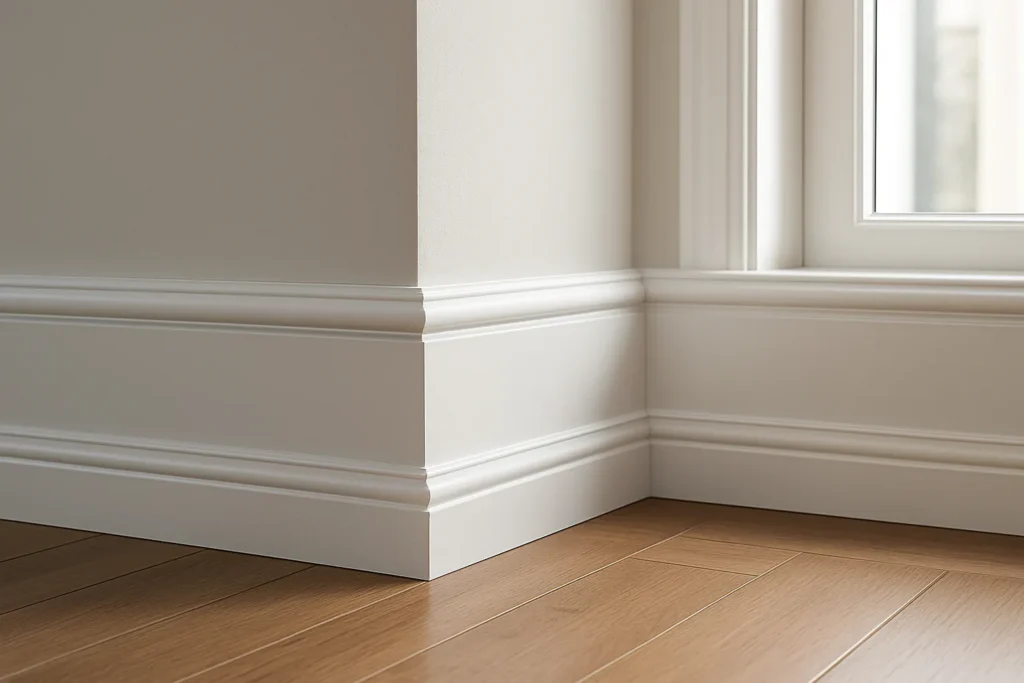
The Essential Role of Flame Retardant Molding in Interior Design
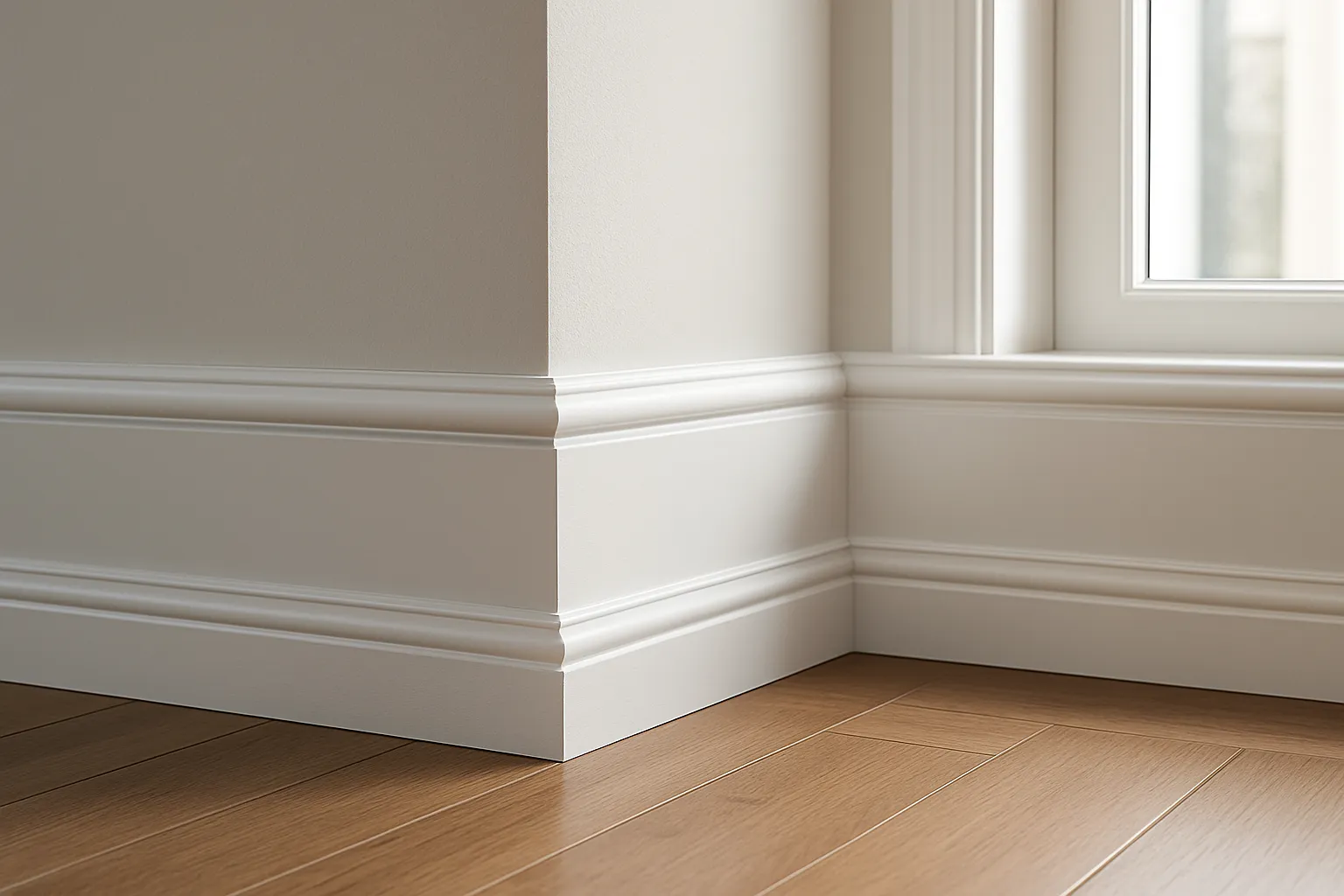
Flame retardant molding is an indispensable element of contemporary interior design, especially in spaces where safety is of utmost importance. These materials are specially treated to resist ignition and slow down the spread of flames, playing a crucial role in safeguarding both individuals and property from fire hazards. This type of molding not only enhances safety but also blends seamlessly into various design aesthetics, making it a critical consideration for architects, designers, and builders alike.
The significance of flame retardant molding in interior design cannot be overstated. With urban areas becoming increasingly crowded and fire safety regulations tightening, the demand for materials that provide superior fire resistance is on the rise. Incorporating flame retardant molding into designs allows professionals to comply with safety standards while offering peace of mind to clients and occupants.
Understanding Safety Standards and Regulations
For anyone involved in interior design, comprehending the safety standards and regulations surrounding flame retardant molding is crucial. Various organizations, including the National Fire Protection Association (NFPA) and Underwriters Laboratories (UL), set guidelines that dictate the fire safety performance of building materials. These standards aim to reduce fire risks and protect lives and property.
In addition to national standards, local building codes often mandate compliance with specific regulations concerning the use of flame retardant materials in interior decoration. Designers must be well-versed in these requirements to ensure their projects meet the necessary safety benchmarks. Failure to comply can lead to legal repercussions, increased liability, and potentially devastating consequences during a fire.
Benefits of Flame Retardant Molding
The advantages of flame retardant molding go beyond mere compliance with safety standards.
- Enhanced Safety Features: One primary benefit of flame retardant molding is its ability to enhance safety. These materials are engineered to resist ignition, significantly minimizing the likelihood of a fire spreading within a building. This feature is especially vital in high-traffic areas or spaces where flammable materials are present.
- Long-term Cost Savings: Although the initial investment in flame retardant molding may be higher than traditional materials, the long-term savings can be substantial. By preventing fire damage, property owners can avoid costly repairs and insurance claims. Moreover, flame retardant materials often last longer, reducing the need for frequent replacements.
- Aesthetic Versatility: Flame retardant molding comes in a vast array of styles, colors, and finishes, allowing designers to maintain their creative vision without sacrificing safety. This versatility means that flame retardant options can be integrated into various design themes, whether contemporary or traditional.
Use Cases in Interior Design
Flame retardant molding finds applications across a diverse range of settings in interior design.
- Commercial Spaces: In commercial environments such as offices, hotels, and retail stores, flame retardant molding is crucial for ensuring the safety of employees and customers. These spaces often have higher occupancy levels, making fire safety a critical consideration.
- Residential Applications: Homeowners are increasingly prioritizing safety in their interior design choices. Flame retardant molding can be effectively used in living rooms, kitchens, and bedrooms to provide an added layer of protection without compromising aesthetic appeal.
- Specialty Environments: Certain settings, such as healthcare facilities, schools, and laboratories, have unique safety requirements. Flame retardant molding is particularly beneficial in these spaces, where the risk of fire can be heightened due to specialized equipment or materials.
Comparing Flame Retardant Molding Options
When selecting flame retardant molding, it is essential to compare the various options available on the market.
- Types of Flame Retardant Materials: Flame retardant molding can be made from different materials, including wood, plastic, and composites. Each material has unique fire resistance properties, so understanding these differences is key to making an informed choice.
- Performance Metrics and Ratings: Flame retardant materials are often rated based on their performance in fire tests. Look for products that meet or exceed industry standards, such as UL 94 or ASTM E84, which provide insights into the material’s ability to resist ignition and control flame spread.
- Cost Analysis: While cost should not be the sole deciding factor, conducting a thorough cost analysis when selecting flame retardant molding is essential. Consider not only the purchase price but also the potential long-term savings associated with fire prevention and material durability.
Sourcing Flame Retardant Molding
Finding reliable suppliers of flame retardant molding is crucial for ensuring quality and compliance.
- Identifying Reliable Suppliers: Seek manufacturers and distributors with a solid track record in the industry. Research their reputation, customer reviews, and certifications to gauge their reliability.
- Evaluating Product Quality: Before making a purchase, request samples to assess the quality of the flame retardant molding. Pay close attention to the finish, durability, and overall appearance to ensure it meets your design standards.
- Negotiating Contracts: When sourcing flame retardant molding, consider negotiating contracts that include warranties and guarantees. This can provide additional protection and assurance regarding the product’s performance over time.
Implementation Best Practices
Successful implementation of flame retardant molding requires careful planning and execution.
- Installation Guidelines: Always follow the manufacturer’s installation guidelines to ensure optimal performance. Improper installation can compromise the fire resistance of the molding, negating its benefits.
- Maintenance and Care: Regular maintenance is essential to preserve the integrity of flame retardant molding. Clean the surfaces according to the manufacturer’s recommendations and inspect for any signs of wear or damage.
- Integration with Other Materials: Flame retardant molding can be combined with other interior decoration materials to create a cohesive design. Ensure that any materials used in conjunction with the molding also meet fire safety standards to maintain overall safety.
Frequently Asked Questions
Common Misconceptions: A prevalent misconception is that flame retardant materials are only necessary in commercial settings. However, residential spaces also benefit significantly from the added safety these materials provide.
Troubleshooting Issues: If issues arise with flame retardant molding, such as discoloration or damage, consult the manufacturer for guidance on repairs or replacements.
Future Trends in Flame Retardant Molding: As technology advances, we can expect to see innovations in flame retardant materials, including more environmentally friendly options and enhanced performance characteristics.
In conclusion, flame retardant molding is a vital aspect of interior design that prioritizes safety while enhancing aesthetics. By understanding the benefits, regulations, and best practices associated with these materials, designers and architects can create safe, beautiful spaces that meet the evolving demands of modern living.